Why Most Link Strategies Fail in 2026
Link building in 2026 isn’t a bunch of separate tactics like guest posting or directory submissions. It’s a complete system with different parts supporting each other. This includes broken link building, link reclamation (getting back lost links), SEO tools, and earning links through content.
These pieces work together as a single unit, especially when supported by tools like Ahrefs, Moz Pro, and Google Search Console. Together, you can find opportunities and track performances across backlink profiles.
Search engines today consider backlinks a part of a bigger trust system. It’s no longer about how many links you have but rather how you’ve earned them (whether naturally or through manipulative tactics), in addition to their quality and relevance.
If you want long-term rankings in 2026, you need to see how earned, reclaimed, and content-driven links work together as part of one SEO strategy.
How Google Actually Evaluates Backlinks Today
Google cares a lot about backlinks. It doesn’t just see them as simple authority signals, but looks at them through the lenses of topical relevance, contextual placement, and user experience. In other words, the quality of your links, where you place them, and how they affect user experience are things Google takes into account when evaluating backlinks.
Another important factor is how you earn your links. The more authentic and natural the means of acquisition (it could be through content, broken link building opportunities, or mentions), the more Google trusts you. Manipulative tactics or exchange-based patterns don’t take you far. In fact, search engines might penalize you for it, which affects both your credibility and rankings.
Where you put your links matters. For instance, placing them in footers or directories carries much less weight than in meaningful content.
Modern SEO is all about building a system where earning links through content, broken link building, and link reclamation work together.
Why Broken Link Building Still Works (When It’s Done the Right Way)
Broken link building is still an important part of link acquisition today, as long as you abide by Google’s guidelines.
This is when you find broken backlinks on external sites and replace them with relevant content. Some common types include "404 Not Found" (page deleted/moved), "403 Forbidden" (access restricted), and "500 Internal Server Error" (server failure). You can identify them either by using tools like Ahrefs or Moz Pro, or by analyzing your competitors’ backlinks.
One of the smartest things you can do here is combine broken link building with link reclamation, since many broken links come from existing citations that have decayed due to URL changes, deletions, or restructuring. These two practices usually overlap.
Broken link building offers a win-win. On the one hand, it helps you fix broken links that hurt user experience, and on the other hand, you can get a contextual backlink by replacing it with content that restores value to the original page.
In 2026, broken link building is most effective when paired with content-based acquisition and supported by digital PR. The latter can make sure the replaced content has authority and relevance.
Most Links Still Come From Content
Earning links through content is what makes SEO work long-term.
Content-based link building opens doors to getting links through different sources, whether digital PR, broken link building, or link reclamation.
The first (and most important) step is to create meaningful content, which usually comes in many forms. You can write PR campaigns, opinion pieces, definition pages, or useful guides that people can trust and would want to link to.
Once you have your content in place, it can now become a foundation for attracting links organically. This is when people find you on their own, journalists use it, or it gets shared through PR. Using SEO tools, you can track your backlink growth (to see how many links you’re gaining over time) and referring domain expansion (to check if more sites are linking to you).
Let’s go over some examples of content that lead to organic link acquisition.
Putting original research or data-based content out gets the attention of journalists. When they need stats (like in HARO-style requests), they can link to you. This not only positions you as an authority within your niche but also helps you gain backlinks naturally.
Then you have industry reports and trend analysis. This type of content is more likely to be referenced. You can also put together guides that people can find value in and reference again and again.
Guest blogging still works, but not as a standalone trick. It’s now part of a larger PR and content strategy, helping you share your expertise on relevant sites, gain exposure, and earn backlinks.
Finally, earning links through content is only half of the equation. The other half is about tracking results (for instance, how many links you’re getting or how your rankings are improving).
The Most Underrated High-ROI Link Strategy
Link reclamation, an important part of modern SEO, means getting back lost, fragmented, or uncredited links across the web.
Sometimes, people mention your brand but forget to link to you. Sometimes, your old pages break or URLs change, so links stop working. Other times, people use your images or charts without credit. All of these are examples of what link reclamation can look like.
As mentioned earlier, there’s an overlap between broken linking and link reclamation. Many links that used to work now go to dead pages or are removed. The good news is that since these links already existed before, you can use tools like Ahrefs or Google Search Console to find them quickly. After recovering them, you can track how they help your rankings and authority.
Unlike getting new links, with link reclamation, you don’t start from scratch. You simply recover value you already earned but somehow lost.
You Can’t Do Link Building Without the Right Tools
What connects all the different parts of link acquisition (including content-based link earning, broken link building, and link reclamation) is SEO tools.
Tools like Ahrefs and Moz Pro help you analyze competitor backlinks, find broken link opportunities, track referring domains, and manage link acquisition campaigns.
You also have Google Search Content, which tells you if your pages are being seen, what links you have, and how your site is performing.
SEO tools offer insights into what your competitors are doing better than you, and which important sites you should try to get links from. You can then use this information to fix broken links and create content that can help you earn links.
Together, these tools can help you track your results, be discovered, and earn links over time.
Without Tracking, You’re Just Guessing What Works
Measurement is an inevitable part of any scalable SEO system.
Getting links is one thing, but checking if they’re actually doing anything is another. So, you need to track your ROIs from backlinks, whether your pages are ranking, and how diverse your referring domains are.
Once you identify how each part contributes to backlink growth, you can use them as a unified system to improve rankings.
Over time, this allows SEOs to identify which combinations of systems, such as content-based acquisition supported by digital PR or broken link building enhanced by link reclamation, produce the most consistent ranking gains.
Basically, you cannot optimize SEO results without measurement.
The Risks of Link Acquisition
When it comes to link acquisition, it’s important to stick to Google’s guidelines. In other words, focus on earning links naturally (whether through content, shoutouts, or digital PR) and not through manipulative tactics.
Manipulative strategies include buying links, exchanging money for links, or resorting to reciprocal link schemes that care more about rankings than value.
These approaches have unfavorable consequences as they create unnatural backlink profiles that hurt organic search systems. They can also be interpreted as risk signals associated with search results manipulation, which shows a transactional or exchange-based behavior at scale.
Even small practices like giving away free products to get links can backfire. When done excessively, they create more problems than help.
Then you have more effective, sustainable ways of earning links. Whether it’s creating good content, fixing broken links, or reclaiming old ones, these are more aligned with Google’s organic ranking systems. They’re more about offering value than exchanging transactions, which produces long-term stability. This puts you on the fast track to higher rankings.
To better manage risks, use tools to spot unnatural backlink patterns and monitor referring domain quality. Some examples include, but are not limited to, Ahrefs, Moz Pro, and Google Search Console.
When all three parts (earning links through content, fixing broken links, and reclaiming old ones) work together, they create backlink profiles that can resist algorithm updates and be aligned with long-term organic search performance.
Most of your link growth comes from digital PR
Content-based link acquisition becomes significantly more powerful when combined with digital PR and journalist outreach strategies.
This includes HARO-style contributions, niche publication features, and thought leadership positioning that increases backlink exposure across authoritative domains.
Creative content campaigns built on original research or unique insights generate the highest volume of earned backlinks, strengthening backlink profiles across multiple referring domains.
Digital PR amplifies content-based acquisition by increasing citation velocity and connecting content assets to broader publishing ecosystems, which in turn reinforces broken link building and link reclamation opportunities.
Turning Link Building Into a Long-Term System
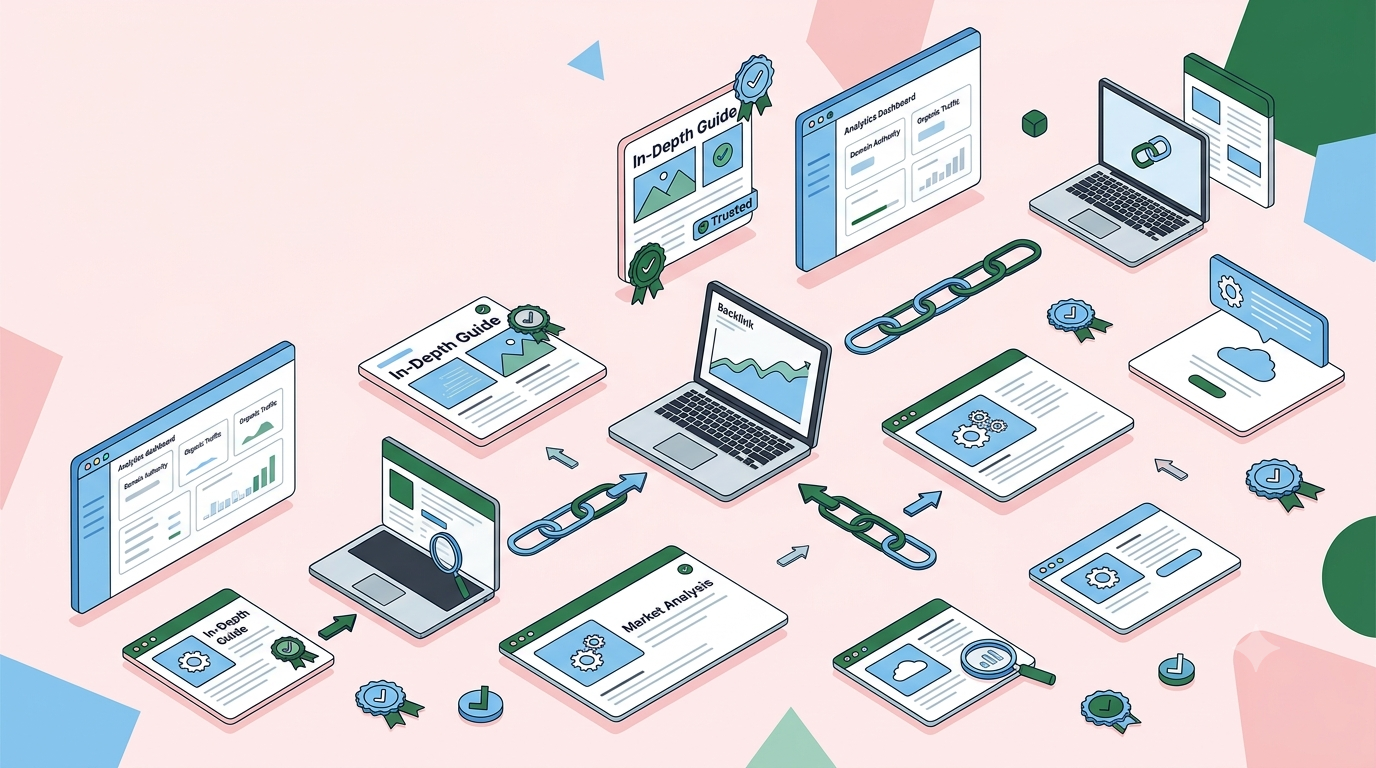
The most effective SEO systems treat broken link building, link reclamation, and SEO tools as a unified link acquisition workflow rather than separate tactics.
SEO tools identify broken backlinks and 404 errors, broken link building replaces them with improved content, and link reclamation restores lost backlink equity from existing mentions.
Google Search Console then tracks how these combined systems affect indexing, backlink visibility, and ranking performance.
When integrated, broken link building, content-based acquisition, and link reclamation form a continuous system that turns link acquisition into an ongoing process rather than a reactive one.
Zoom out a bit and it looks like a complete system.
A complete link acquisition system in 2026 includes tool-driven discovery, ethical compliance with Google’s webmaster guidelines, structured measurement frameworks, continuous link reclamation, broken link building, and content-based acquisition systems.
These systems are fully interconnected: SEO tools surface opportunities, content-based acquisition generates demand, broken link building captures replacement opportunities, and link reclamation restores lost authority signals.
When these components align, backlinks become a natural byproduct of authority rather than something actively pursued through isolated tactics.
Final Thoughts
Getting links in 2026 isn’t ticking a bunch of strategies off a list. It’s creating a complete system where every part works well together, including content-based acquisition, broken link building, link reclamation, SEO tools, and measurement systems.
The best SEO strategies are those interested in earning, recovering, and sustaining quality links across interconnected topical clusters rather than getting the most links. If your goal is to build a link system that actually holds up over time, LinkyJuice helps you connect all the moving parts.