You've probably pulled up Ahrefs or Semrush, looked at a competitor's backlinks, and wondered how they're landing links from publications you've never even had a shot with. Same industry. Similar content. Somehow they keep getting picked and you keep getting passed over.
If your current link building strategy relies purely on cold outreach volume, wondering how to get high quality backlinks from top-tier sites can feel impossible. It’s tempting to chalk it up to effort. More outreach, more emails, more hustle. That's rarely the real answer. Here's the actual one: competitors earn better backlinks because they've become easier companies to cite, trust, and reference, long before any outreach ever happens.
By the time they send a pitch, most of the decision's already been made. Everything below is really just a different version of that same idea, showing up in a different part of the process.
In practice, that usually comes down to five compounding advantages: they know where the open opportunities actually are, publishers already trust their name, their content gives writers a specific reason to cite them, they've built relationships before they ever needed one, and their brand is already familiar by the time they ask. None of these require more outreach. They just make the outreach that does happen land differently.
5 Reasons Competitors Keep Winning Better Links
They're Not Fighting for the Same Links You Are
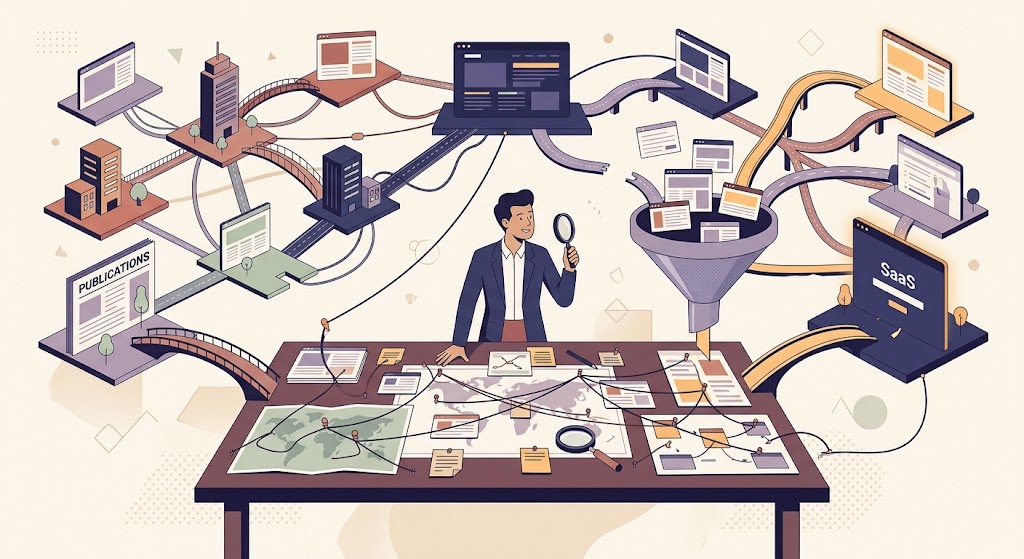
That advantage starts before content even gets written, with what they're aiming at in the first place. Smart competitors don't chase every backlink they see. They ask sharper questions: which publications link to every major player in the space except us? Which resource pages keep citing our competitors and never mention us? Which topics in our niche have weak authority behind them right now, room nobody's claimed yet?
That's the first place the gap opens up. Competing for a link someone else already has means convincing a publisher to undo a decision they've already made. Finding a link nobody's claimed yet just means being the first reasonable answer to a question that's still open. One of those is a much easier sell, and it's the one your competitors are usually making through proper competitor analysis seo.
Their Brand Is Easier to Trust
Publishers don't evaluate a link in a vacuum. They're really asking one question: would I confidently put this company's name in my article? That's a trust question before it's ever a relevance question, and it gets answered long before your pitch shows up.
Recognized experts on staff. Original research with someone's name attached to it. Consistent publishing that shows up again and again in the same space. A brand that's simply been around, doing good work, long enough to be recognizable. None of that happens overnight, but once it's there, it removes almost all the friction from saying yes. Competitors earn links more easily here because a recognizable brand lowers the perceived risk of citing them. The publisher isn't taking a risk on an unknown. They're citing something they already half-trusted before you asked.
Their Content Gives People a Reason to Link
This isn't about building a resource for its own sake, it's about what happens once a writer actually needs something and has to decide where to point. Original data. A clean framework. A genuinely useful visual. A definitive explanation of something that's usually explained badly. An opinion nobody else in the space has actually stated clearly.
Trust gets you shortlisted. It still doesn't give them a reason to actually write the sentence that includes your link. That's a separate problem, and it's where the content itself starts doing the work.
They Build Relationships Before They Need Links
A lot of editorial links don't come from a great pitch. They come from familiarity that already existed. Journalists, editors, other creators, newsletter writers, podcast hosts, people active in the same industry conversations, competitors who show up in those spaces regularly are already known by the time they ask for anything.
That's not a better outreach email. It's not needing to write one from scratch, because the relationship already did the convincing an email would've had to do cold.
Familiarity Is What Actually Lowers the Risk
Here's the part that's easy to skip past: none of this works because familiarity feels nice. It works because familiarity lowers risk, and citing something is always a small risk for the person doing it. Every link a publisher adds is a bet that the thing they're pointing to holds up, that it won't embarrass them, that it's actually as solid as it looks.
How to Execute a Competitor Backlink Analysis
If you’re still relying on traditional, manual link building, you’re playing an outdated game. Modern search performance relies heavily on understanding how ai in seo tools and advanced algorithms evaluate seo ranking factors.
Once you understand why competitors earn stronger links, the next step is running the actual analysis: pulling their backlink profiles, finding the gap, and filtering it down to real prospects. We cover that full process step by step in our complete guide to competitor backlink analysis. This article is about the deeper advantage behind those links, the trust and citability competitors build before outreach ever starts.
It's Never Just One Thing
Here's the part that's easy to miss. A competitor beating you on backlinks usually isn't dramatically better in any single category above. Slightly better at finding open ground. Slightly more trusted. Slightly more citable content. Slightly more familiar to the people who matter. Slightly lower-risk to reference.
Stacked together, small edges compound into something that looks, from the outside, like an unfair advantage. It's really just five small ones layered on top of each other. And it's exactly why copying one of their backlinks almost never reproduces their results. You're copying the outcome of an advantage you don't have yet, not the thing that actually created it.
Here's how those five advantages line up:
Why do competitors get backlinks from sites that ignore me?
Competitors often get picked by publications you can't crack because they've already built trust with those publishers before any pitch was sent. A publisher's real question isn't "is this relevant," it's "would I confidently put this company's name in my article." If your competitor has recognized experts, original research, or a consistent presence in that space, the publisher has already half-decided to say yes before an email arrives.
How do I get high quality backlinks when competitors outrank me?
Getting high-quality backlinks isn't about sending more cold emails; it's about closing the authority and trust gap. Competitors win because publishers already recognize their brand and find original data or frameworks in their content worth citing. Building an effective link building strategy requires focusing on brand signals, citable assets, and relationship-building.
Why are my link building outreach campaigns failing to get placements?
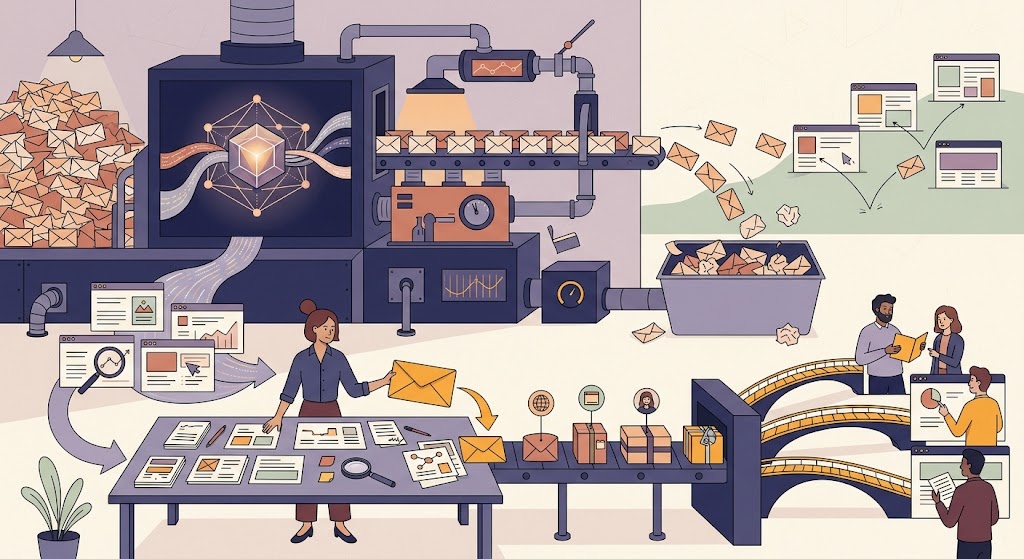
Most link building outreach campaigns fail because they treat backlink acquisition as a numbers game rather than a trust problem. If a publisher has never heard of your brand, a cold pitch carries too much risk. Winning links consistently requires establishing prior familiarity through industry mentions, expert quotes, and content that provides a definitive reason for writers to point to your site, keeping modern seo ranking factors in mind.
What is a competitor backlink analysis?
It’s the process of using competitor analysis seo workflows to identify which domains link to your rivals but ignore you. It is the fastest way to find "low-hanging fruit" for your own campaign by targeting open ground rather than trying to displace links your competitors already own.
Why does copying a competitor's backlink strategy usually fail?
Copying a competitor's backlinks fails because you're reproducing the outcome, not the conditions that created it. A single backlink is usually the visible result of trust, familiarity, and citable content that built up over time, none of which transfers just because you pitch the same publication.
The Real Question to Ask Yourself
The honest question isn't "am I doing enough outreach." It's whether you've built the conditions that make a good backlink an easy decision for someone else, long before you ever ask for one.
If you want to go deeper on finding the specific ground competitors haven't claimed yet, our guide on EEAT & Information Gain covers how search engines evaluate quality. And if you're wondering how modern algorithms evaluate content presentation alongside your link profile, read our framework on Generative Engine Optimization (GEO).
Competitors don't out-email you into better backlinks. They spend the time becoming easy to trust, easy to cite, and easy to already know, so that by the time anyone asks, saying yes is is the easy, obvious call.
If you need help closing that gap, book a call with us. We'll help you figure out where to focus.
About the Author
Davit Nazaretyan writes about link building, backlink audits, and SEO automation at LinkyJuice. His work focuses on separating what actually moves rankings from what just looks like it does: from cleaning up toxic backlink profiles to building outreach systems that hold up against algorithm updates. Connect on LinkedIn.