What is Link Building (and Why It Matters)?
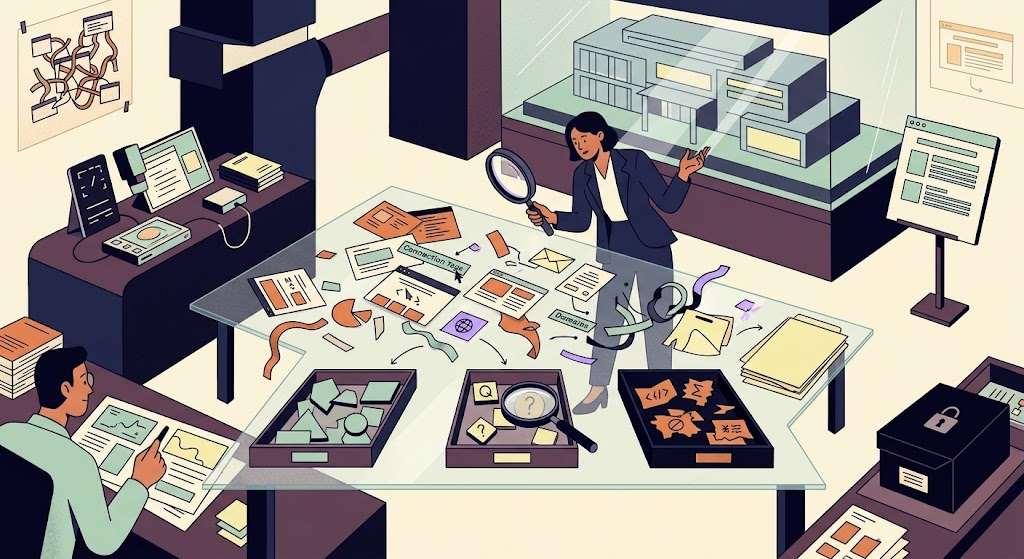
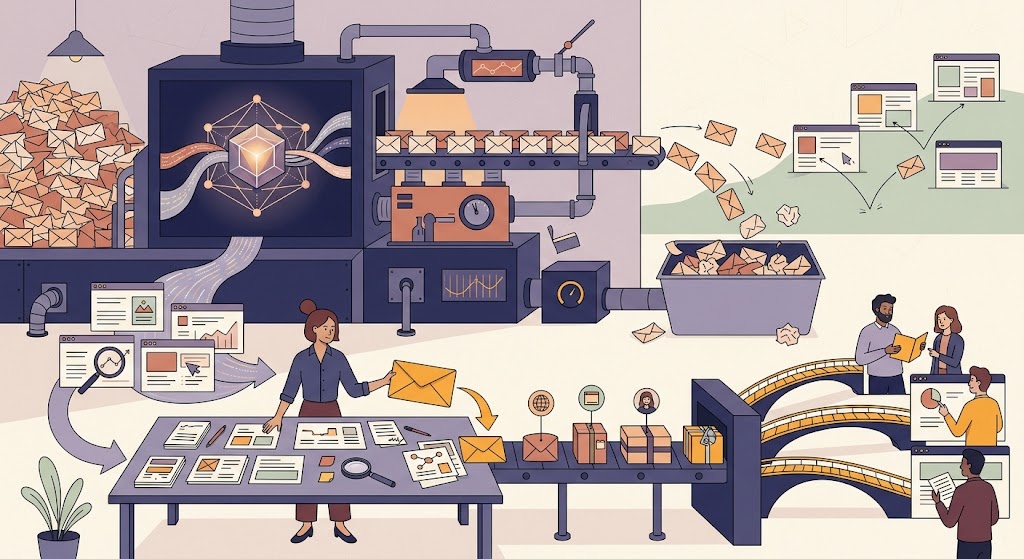
Link building is getting other websites to link to yours. These backlinks act like trust signals that help search engines see your site as credible and worth ranking.
In other words, the more high-quality, relevant links you have, the better your chances of ranking well.
It’s also not just about traditional search anymore. In 2026, links play a role in how brands are discovered in AI-powered search tools, where citations from trusted sources decide what gets shown (and what doesn’t).
That’s why modern SEO focuses more on quality and relevance, not just the number of links.
Link Building Can Make or Break Your SEO
Link building remains one of the most powerful levers for ranking on Google. In 2026, link affects how brands show up in AI search results and AI Overviews, where citations and authority help determine visibility.
A few high-quality backlinks from the right places can dramatically boost your visibility. But just a handful of bad links (links that are irrelevant, paid, or manipulative) can seriously damage your rankings or in some cases, trigger a manual penalty from Google.
And that’s where things get tricky.
You might follow what someone on YouTube calls a “secret strategy,” only to realize it goes against Google’s policies or ranking guidelines. You might even spend thousands of dollars on high-DR links that do absolutely nothing because they’re not relevant or earned in a natural way.
So in this guide, we’ll walk through:
- The 10 best link building strategies that actually work in 2026
- The worst tactics that still get recommended but can actually hurt your site
- How to build links that are smart, ethical, and scalable
Whether you’re a startup, SaaS brand, agency, or affiliate site, this guide will help you avoid outdated strategies and focus on what actually drives long-term growth.
Let’s take a closer look.
Best Link Building Strategies in 2026
Link building in 2026 isn’t about spamming contact forms or submitting your site to every directory under the sun. The best strategies today are a mix of relevance, authority, and actual editorial value, not sheer volume.
Let’s look at what’s actually working these days, and how you can build your authority in a sustainable, aligned way.
1. Value-Driven Outreach (Not Just Asking for Links)
Outreach is still the backbone of link building. But in 2026, the expectations are much higher.
Website owners are flooded with hundreds of emails every week, so if you don’t lead with real value, your pitch will be ignored
Instead of sending mass emails that scream “template,” take a value-first approach.
Ask yourself:
“Why should this person link to my page? What’s in it for them and their audience?”
Here’s what that looks like in practice:
- You find a guide that’s missing a useful stat or visual → you send something of yours that fills that gap
- You notice a mention of a general topic → you offer a deeper tool or resource that improves it
- You genuinely admire their article → you share what stood out and suggest something that complements it.
Outreach isn’t limited to just email anymore. In this day and age, you can reach people through a few other channels, like: email, LinkedIn, X (Twitter) DMs, plus a bit of light engagement before you even reach out.
For bigger targets, it helps to be more personable. You can try sending short videos or voice notes, but only if you can sound sincere and natural, not like you’re trying too hard.
Pro tip: the best outreach doesn’t feel like outreach. It just feels like you’re adding something useful to what they’re doing.
2. Reverse Engineer Competitors’ Backlinks (The Smart Way)
Why start from scratch when you can learn from what’s already working?
Reverse engineering competitor backlinks is one of the fastest ways to uncover real, proven opportunities for your own site.
Here’s the idea:
If your competitors are ranking well, chances are they’re getting links from websites that Google already trusts. By analyzing their backlink profile, you can find:
- Pages that are linking to similar content (and might link to you too)
- Gaps in your own profile—links your competitors have that you don’t
- Content types that naturally attract links in your niche
Here’s how to do it:
Use a tool like Ahrefs, Semrush, or Moz.
Plug in your competitor’s domain and head to their “Backlinks” or “Top Pages” report from link building tools.
Look for pages that link to multiple competitors.
This is actually good for you.. If a site links to 2–3 of your rivals, it’s usually open to link to others in the same space
Check the context of the link.
Are they citing stats, tools, or resources? Whatever it is—offer them a better, fresher, or more relevant option.
Reach out with a tailored pitch.
Explain what you noticed and why your content would be a great addition or even a better fit.
Bonus tip: If you’ve created something significantly better than what’s being linked, you can pitch your idea to replace it (but only if it’s truly better)
This strategy works especially well for:
- SaaS tools
- Evergreen content
- Free templates or resources
- Original research or data
And the best part is, you're not guessing. You’re working with opportunities that already exist in your industry
3. Get Featured on Relevant Resource Pages
Resource pages are curated lists of useful links, tools, or content. Since they’re designed specifically to link out, they’re some of the easiest and cleanest backlink opportunities out there.
Look for pages like:
- “Useful resources for startups”
- “Top free SEO tools”
- “Marketing resources for small businesses”
To find them, you can search for:
- [your keyword] + inurl:resources
- [your keyword] + intitle:useful links
- [your keyword] + intitle:tools
University resource pages are a great example of this: they show up constantly in these searches, and a well-earned .edu backlink from one carries real institutional trust, but only when the page and your pitch are genuinely relevant to each other.
Your success rate will skyrocket if your content is genuinely valuable and solves a specific pain point.
4. Digital PR & Link-Worthy Campaigns
This isn’t just about publishing company updates or sending out boring press releases. It’s about jumping on breaking news in real time and inserting your brand into the conversation before anyone else does.
Let’s say there’s a big change in AI policy, or Google drops a major update . And let’s say, your team has insights, data, or experience about it. You can quickly reach out to journalists covering the story and offer a quote, data point, or fresh take. If you’re early and valuable, you can earn links from huge publications in hours.
Here’s the formula:
- Monitor trends using Google Alerts, X (Twitter) trends, and tools like Feedly
- Act fast: come up with a unique angle or useful insight and publish a blog post in your website
- Send a short, personalized pitch to a relevant journalist (don’t waste your time with mass emails)
- Offer to provide a quote, stat, or comment they can plug directly into their article
This is a high-reward strategy, but timing is everything. If you’re 24 hours too late, the opportunity’s already gone.
Pro tip: Keep a media list ready with 20–50 niche journalists, and have some quote-ready insights or data from your team on standby.
5. Guest Posting (The Right Way)
Guest posting still works in 2026. But only if you do it the right way.
The days of hiring a cheap freelancer, generating AI content, and blasting the same article to 100 random sites are over. That strategy gets you ignored, or worse — flagged.
What actually works now:
- Be the expert- Don’t outsource your credibility. If you have real experience or unique insights, showcase that. Editors want authentic contributions, not content mills.
- Lead with value, not a pitch-. A strong guest post should make sense even without a backlink. The link is just a byproduct.
- Warm up before you pitch- Follow the site, understand their content, and get familiar with their tone..
- Make It Easy to Say Yes: Include writing samples, credentials, and a clear idea of what you can contribute that adds something new.
Legitimate businesses are wary of outside content, and for good reason. So, if you’re pitching a blog like G2, Hubspot, or Search Engine Journal, you have to prove why you’re different from the hundreds of others who are just trying to get a link.
The real shift in 2026 is this: Focus on relationships, not just guest posts. Write one great post that gets traffic and builds trust, instead of ten low-quality ones that no one reads.
6. Strategic Content Collaboration (The Long Game)
One of the most underrated yet scalable link-building strategies in 2026 is building long-term content partnerships with content contributors.
There are many marketers, SEOs, content managers, and PR folks out there who are consistently writing guest posts, industry thought pieces, or roundup articles across different sites as part of their job.
Instead of treating each article as a one-off opportunity, you build ongoing visibility through them.
What you do is:
- Identify contributors who write regularly for multiple sites (look for recurring bylines across publications).
- Reach out with value, not a pitch. Offer unique data, insights, quotes, or visuals they can use to enrich their content.
- Once trust is built, you won’t need to pitch anymore cause you’ll get proactively included when they write something.
- You can even create a “collaboration kit” — with brand info, expert bio, key stats or quotes, and relevant links or insights
This makes it easier for writers to include you in their upcoming work.
It’s like earning recurring links without doing the cold outreach every time. Play the long game, provide value, and become their go-to expert.
It may take a bit longer to see results at first, but over time it will add up.
7. Link Bait & Evergreen Assets
This is a strategy you can consistently rely on, but in 2026, expectations have to be realistic.
The strategy is simple:create something so good people want to link to it.
We’re talking:
- In-depth guides
- Free tools
- Industry stats pages
- Original data or studies
- Visual assets like infographics or charts
- Templates or swipe files
The only thing you need to keep in mind is that you’ve got a LOT of competition, so “good” isn’t going to cut it anymore. Don’t worry, though. You can get around this by simply making a better, more updated, or specific version of that thing on the internet.
Once you publish it, promote it everywhere:
- Slack groups
- Newsletters
- Newsletters
Great assets don’t just “get links.” They need to get attention first.
8. Reclaim Unlinked Brand Mentions
Sometimes, you’re already being talked about. You’re just not being linked.
Using tools like Ahrefs, BuzzSumo, or Google Alerts, you can find brand mentions with no link. From there, you can turn them into backlinks by simply reaching out. Simply thank them and ask if they could link to your site so readers can more easily find you.
Again, as we discussed in our link building for SEO guide this works best for already established brands. If you’re just starting out, or if the mention is negative, this may not apply to you.
These are some of the easiest backlinks you’ll ever land.
9. Recover Lost or Broken Backlinks
Backlink don’t just get built, they can disappear too due to:
- Site migrations
- Page deletions
- Content updates
- Changes in the URL
You can use Ahrefs’ “Lost Backlinks” or Semrush’s audit tool to spot these.
Once you find them, you can either:
- Redirect the old URL to a live, relevant page
- Or recreate a better version of the lost page and reach out to reclaim the link.
This is such an underrated form of link building because it’s not earning something new. It’s rebuilding something that already exists (but still reaping in the rewards).
Worst Link Building Strategies to Avoid
Not all links are good links. And in 2026, bad or malicious links are easier to spot than ever.
Here’s what you should absolutely avoid.
Buying Links Blindly
Buying backlinks from sites you don’t know is one of the fastest ways to lose money, or worse, credibility.
It’s easy to get lured in by a high DR. But a high score is virtually worthless if the site exists only to sell links, doesn’t have its own audience, or links out to countless random sites. One of the worst things you can do is buy bulk packages from link farms. They create toxic signals that can tank your rankings or get you hit with a penalty, sometimes overnight.
If you’re going to buy links, hire a trusted agency (like LinkyJuice.com) that uses real outreach and follows ethical practices. How a link is sourced is more important than the DR score.
Link Exchanges & Reciprocal Linking
Every business interaction is meant to be mutually advantageous. A sort of “you scratch my back, I scratch yours.” understanding. But “Link to me, and I’ll link back” isn’t always the same thing. At least not for some cases.
It’s perfectly fine to swap reciprocal links, but search engines can easily detect obvious link exchanges, especially if they’re repeated.
It can pick up on things like:
- cross-linking between the same sites
- “partner pages” built just for links
- large-scale exchange networks
These link purchases won’t just do nothing for your SEO, it might actually harm it by raising red flags for Google.
Low-Quality Directories and Profiles
Submitting your site to 1000 directories used to work in 2005. Now, it just dilutes your backlink profile with spam and wastes your time.
Most of these sites won’t get you any real traffic or visibility. It’s one thing to send to a few high-quality, relevant sites. But mass submissions are just white noise.
Automated Link Building Tools
Any tool promising hundreds of links is a serious links. These sites are usually one of the following:
- A private blog network (PBN)
- Automated spam
- Comment links
Even if they “work” in the short run, it’s simply not worth the risk of getting penalized.
Over-Optimized Anchor Text
Stuffing your backlinks with the same exact-match keyword (“best SEO agency in LA”) is a major red flag. Mix up your anchor text naturally.
Irrelevant Links from High-Authority Sites
A lot of people get this one wrong.
Even if a site has a High-DR and is considered very authoritative, it won’t help you if it’s not relevant to your niche.
For example, if you run a site on finances, a general lifestyle blog linking to you isn’t going to move the needle one bit. It doesn’t matter how well known or reputable the site is.
The problem is these don’t send the right signals, and so, they get ignored. Relevance is just as important as authority these days.
Final Thoughts: Focus on Value, Not Volume
Great backlinks come from building relationships, solving problems, and creating things worth sharing, not gaming the system.
So the main takeaway is that link building in 2026 is about quality, trust, and intent.
If you’re feeling stuck or want to scale without cutting corners, working with the right partner can make a big difference. At
LinkyJuice, we focus on building strong, relevant links through real outreach and proven strategies, without the spam or shortcuts that put your site at risk.