Finding the right link building tools can make or break your SEO campaign. Whether you're searching for the best seo link building tools to scale your workflow, comparing a full link building platform against individual point solutions, or looking for software to handle competitor analysis, having the right tech stack changes everything.
In 2026, that stack needs one more layer than it used to: tracking whether your links and content are actually getting cited inside AI-generated answers, not just whether they exist.
This guide breaks down every major link building tool by stage so you can understand how a real workflow is actually built, and which tools are worth your time.
How to Choose the Right Tools
The best link building tools in 2026 aren't just backlink checkers. They help you identify who's already citing your competitors, find genuinely relevant prospects, manage outreach at scale, measure whether the links you earn actually build authority, and increasingly, confirm whether that authority is showing up where a growing share of searches actually happen: inside AI-generated answers.
Find your bottleneck first
☐ Not enough link targets? Start with a research tool.
☐ Prospects not converting? Fix your outreach process before buying more software.
☐ Links coming in but rankings are flat? Check your internal linking.
☐ Links and rankings both fine but nobody mentions you in ChatGPT or Perplexity? That's a citation-tracking gap, not a backlink gap, and it needs a different tool entirely (see Step 5).
☐ Solve the actual problem before adding another tool.
Buy for where you are now
A solo operator does not need enterprise outreach software. Choose tools that match your current stage, then upgrade when your workflow demands it.
Keep the stack small
Three tools you actually use will always beat ten you ignore. Every tool you add is something to learn, maintain, and pay for.
Step 1: Best Link Building Research Tools (Prospecting & Competitor Gap)
Before you can earn backlinks, you need to know what content is worth linking to and where the gaps are in your backlink profile.
Think of these tools like Google Maps for content: you are scouting the terrain before you start building roads.
Ahrefs: (Best Pick)
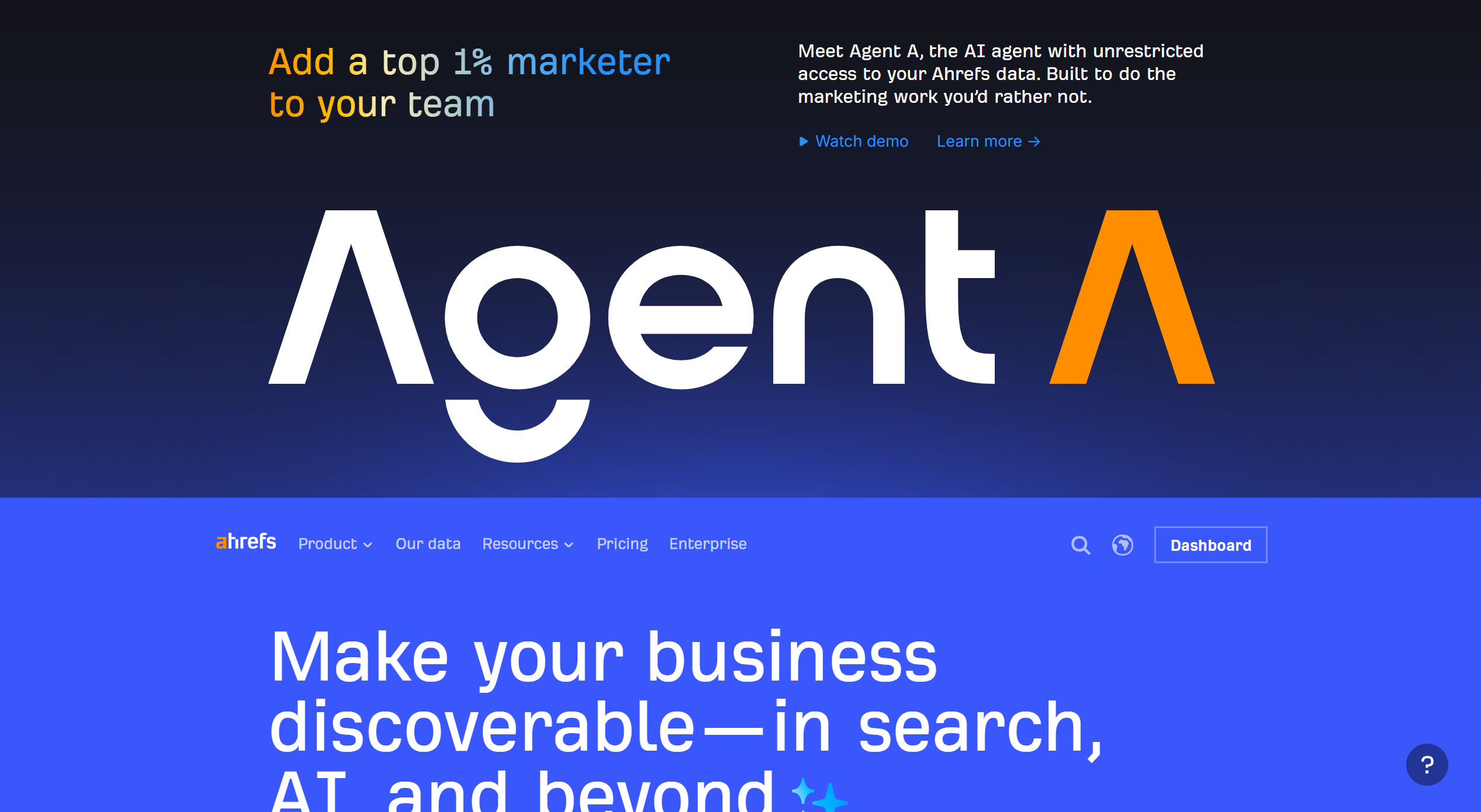
One of the most widely used SEO tools for a reason. Its Link Intersect tool shows you sites linking to up to 10 competitors but not to you, a ready-made prospecting list, on top of general competitor and backlink analysis. Content Explorer searches a database of nearly 17 billion pages to surface link prospects and unlinked mentions.
Pricing:Free tier for verified site owners / Paid plans start at $29/mo (Starter) to $129/mo (Lite).
Semrush (Solid Alternative)
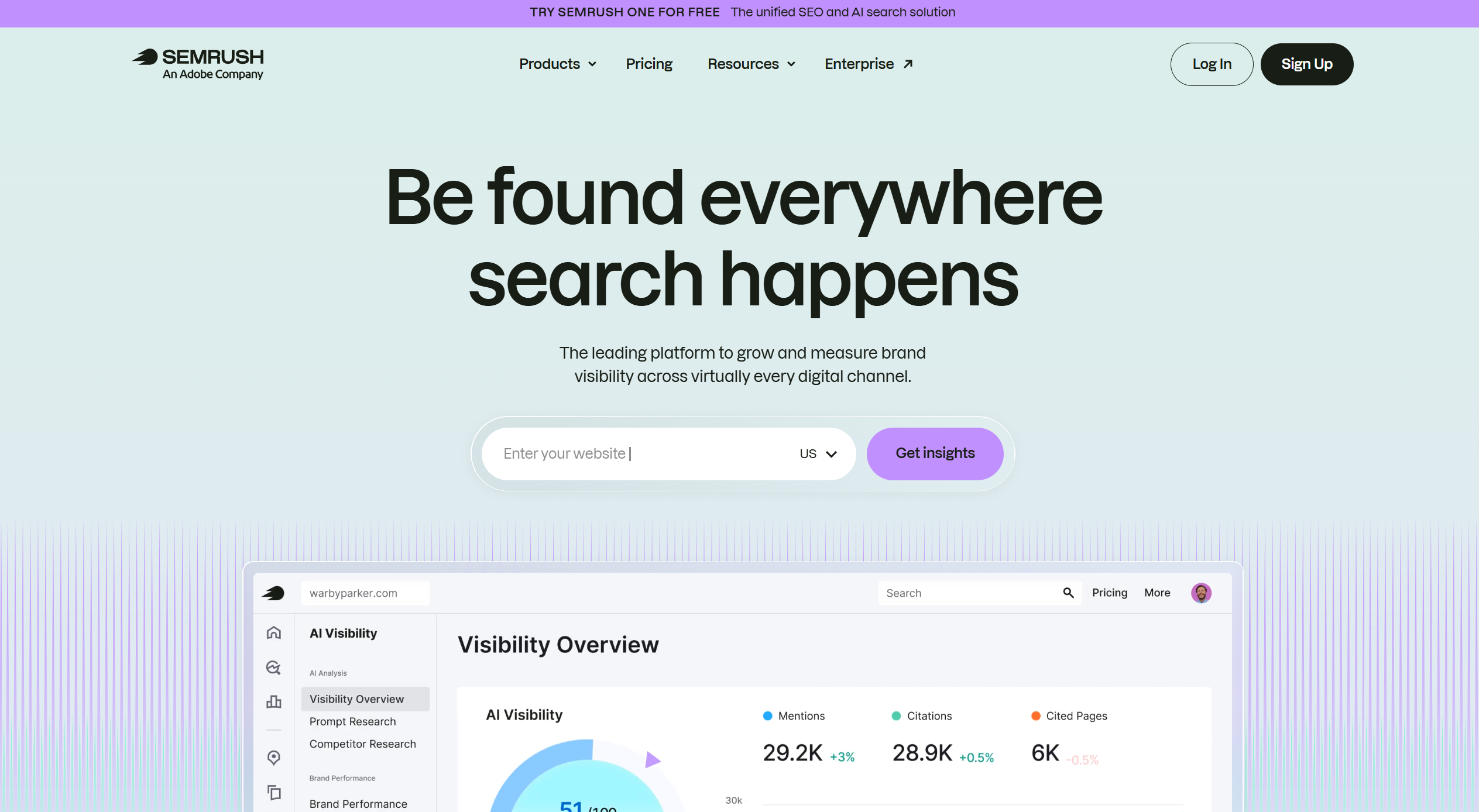
Strong for keyword research and competitor analysis in one place, with a Backlink Gap tool that compares your profile against competitors. Semrush's current index reports over 43 trillion backlinks across more than 808 million domain profiles.
Pricing: Paid plans start at $139.95/mo (Pro).
Majestic (Solid Alternative)
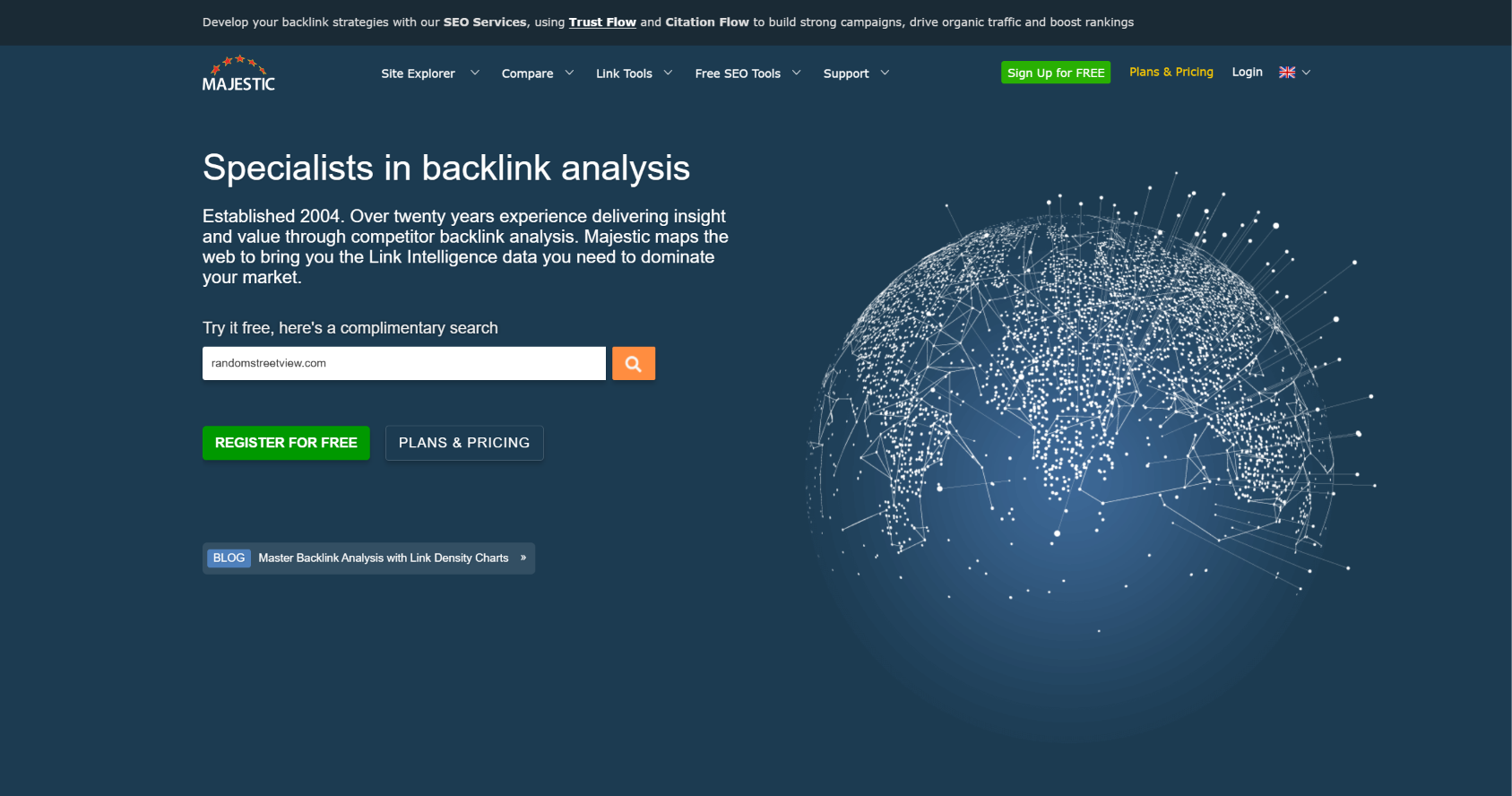
Built specifically for evaluating backlink quality and site trust. It uses proprietary metrics like Trust Flow and Citation Flow to give you a quick health check on a target domain.
Pricing: Paid plans start at $49.99/mo (Lite).
BuzzSumo (Nice-to-Have Tool)

This is where you look when you care about what's actually getting attention. Shares, citations, engagement. Less technical SEO, more "what people are interested in."
Pricing: Free tier available / Paid plans start at $199/mo.
Exploding Topics (Nice-to-Have Tool)

Early radar for ideas before they become competitive. If you move fast enough to build content around a topic while it is still emerging, you can earn links before everyone else shows up.
Pricing: Free search tool / Pro plans start at $39/mo.
Ubersuggest (Best for getting started on a tight budget)
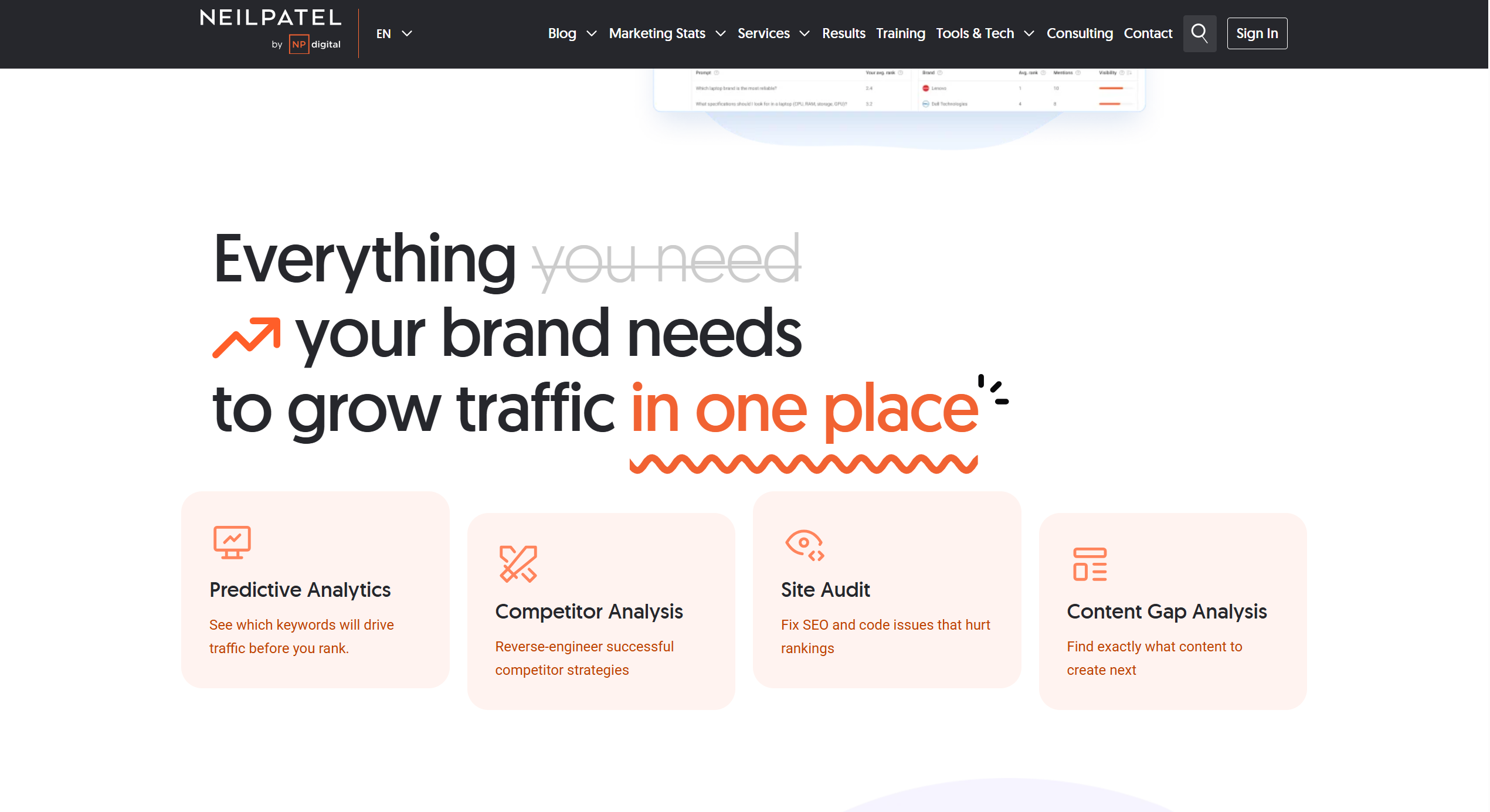
A great entry-level option if you need basic keyword and backlink data without a steep monthly price tag.
Pricing: Free tier available / Paid plans start at $29/mo (Lifetime options available).
Step 2: Best Outreach Software for Cold Email & PR Campaigns
Finding opportunities is only the first part. Getting links requires actually reaching out and getting responses. Cold outreach is like fishing: these tools help you find the right pond, use the right bait, and cast at the right time instead of throwing hooks in randomly.
Pitchbox: for Enterprise outreach (best pick)
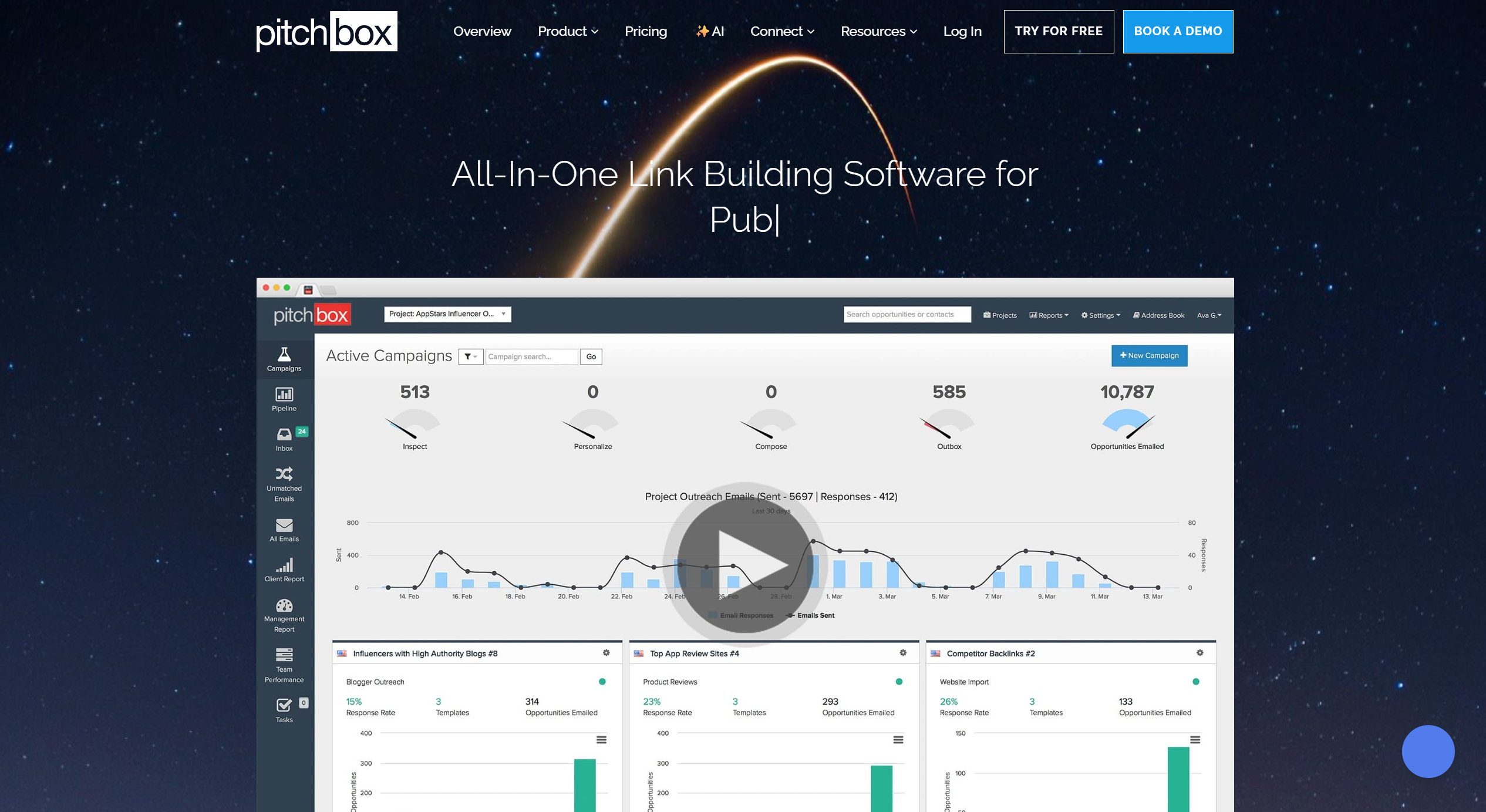
Built for serious outreach at scale. If you're running full campaigns with sequences, tracking, and automation, this is the one for you.
Pricing: Enterprise pricing starts at $550/mo.
Hunter.io: for email finder (solid alternative)
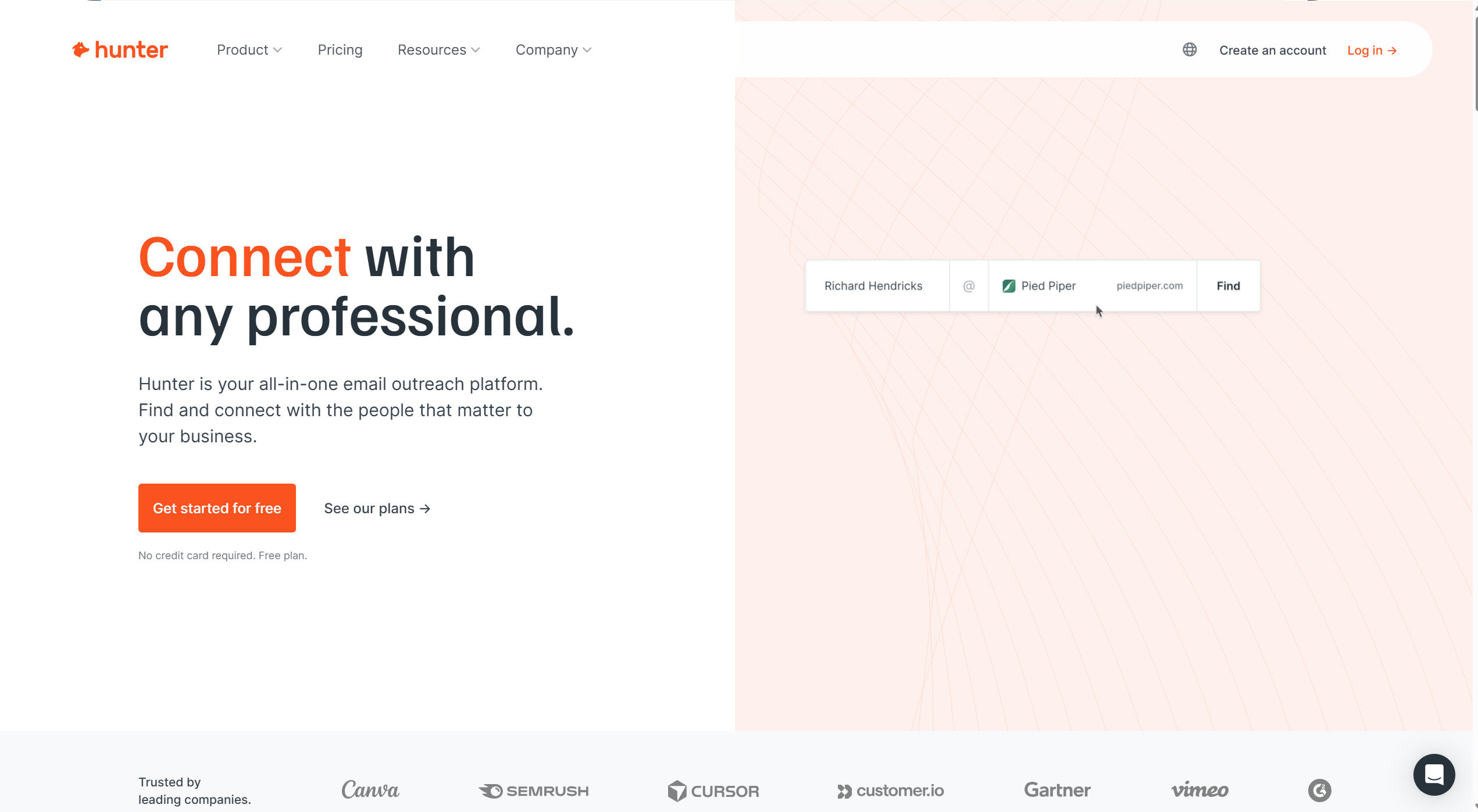
Hunter.io is good for one thing: finding emails tied to domains.
Pricing: Free plan available (25 searches/mo) / Paid plans start at $34/mo.
Connectively: for PR outreach (solid alternative)
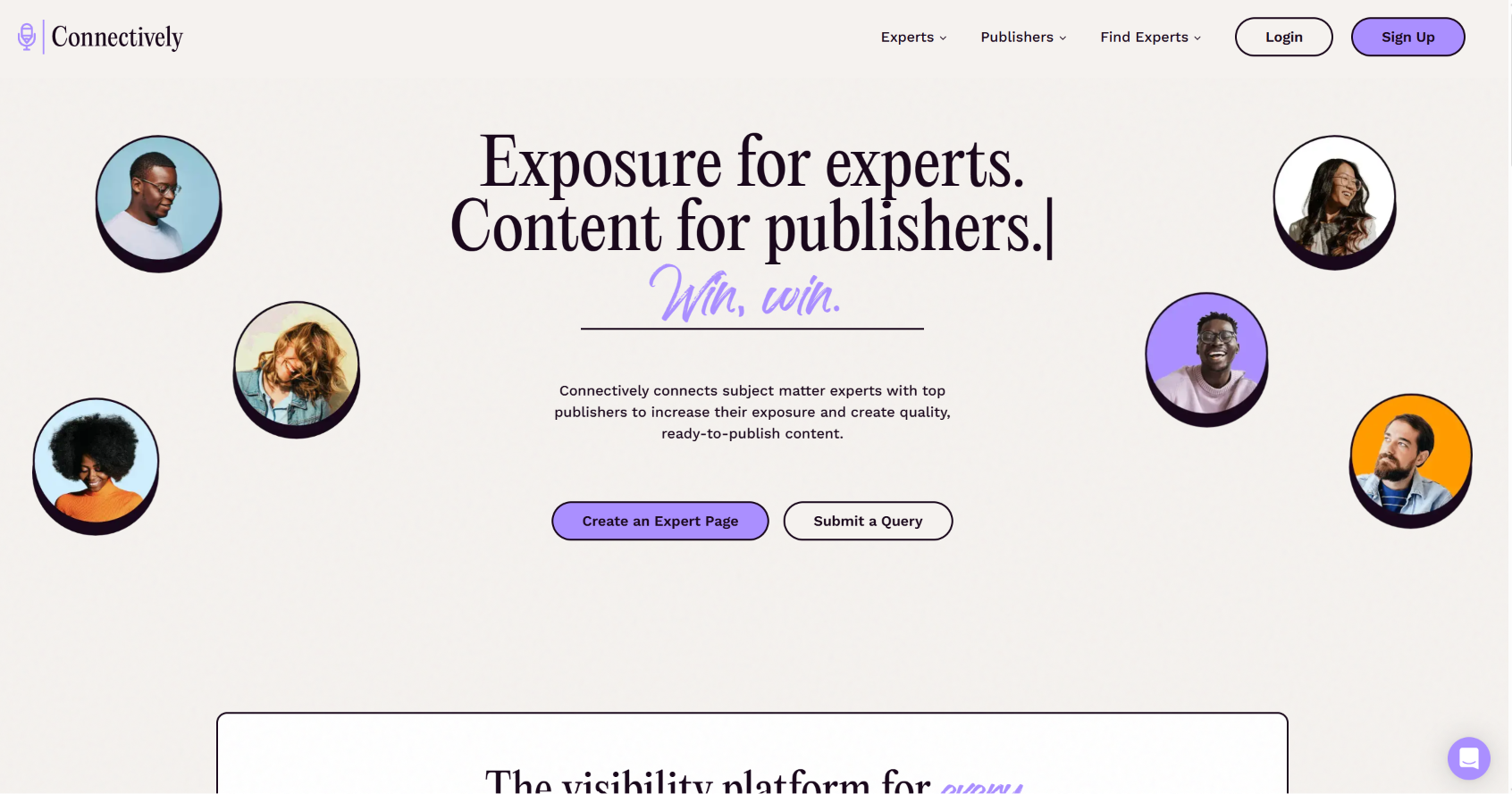
Bridges the gap between journalists needing expert sources and brands looking for high-authority links. Instead of cold pitching, you respond to requests people are already asking for.
Pricing: Free tier available / Pitch credits start at $1/pitch.
BuzzStream: for Relationship CRM (solid alternative)
Keeps track of relationships, conversations, and who said what to whom.
Pricing: Paid plans start at $24/mo.
Apollo.io : for an All-in-one experience (solid alternative)
A broad outreach and prospecting platform: leads, filtering, and sending in one place.
Pricing: Free plan available / Paid plans start at $49/mo per user.
Instantly: for Cold email at scale (solid alternative)
Focuses on cold email delivery at scale, making sure emails actually land where they're supposed to.
Pricing: Paid plans start at $30/mo.
Respona: for PR-driven outreach (nice-to-have tool)
Built for more PR-style outreach where personalization matters more than volume.
Pricing: Paid plans start at $197/mo.
Step 3: Backlink Monitoring & Link Audit Software
Getting links is only half the job. You also need to know which ones are sticking, which ones disappeared, and whether any are actively hurting you. This is also where you compare your profile to competitors and spot untapped opportunities.
Think of this like checking your blood pressure regularly. You want to catch problems early, not after something has already gone seriously wrong.
Ahrefs: for Full backlink intelligence (best pick)
Still the standard for backlink tracking. You can see who's linking to you, what you've lost, and how you compare to competitors.
Pricing: Free tier for site owners / Paid plans start at $29/mo.
Semrush : for Competitor gap analysis (solid alternative)
Good for competitive comparison and understanding how your domain stacks up in broader SEO terms.
Pricing: Paid plans start at $139.95/mo.
Moz Link Explorer: for established backlink metrics (solid alternative)
One of the longest-standing names in backlink analysis, known for Domain Authority and Spam Score.
Pricing: Paid plans start at $99/mo (Standard).
LinkMiner: for Fast analysis (solid alternative)
More "fast scan" than "serious audit," good for a quick backlink snapshot.
Pricing: Included in Mangools package starting at $29/mo.
Linkody: for Alert tracking (solid alternative)
Tracks your backlinks in the background and alerts you when things change.
Pricing: Paid plans start at $14/mo.
Google Alerts : for basic needs (solid alternative)
Old-school but still useful for catching brand mentions across the web.
Pricing: 100% Free.
Google Search Console: for official Google data (best free pick)
The only tool on this list that comes directly from Google. It shows you the exact backlink profile and top linking pages as Google's own crawlers see them.
Pricing: 100% Free.
Step 4: Internal Link Building Tools & Plugins
External links bring authority into your site. Internal links are how you spread that authority around. These tools distribute link equity across your pages so your most important content gets the SEO value it deserves, and improves crawlability across the board.
Think of your site like a city. External links are like highways bringing traffic in. Internal links are the roads that decide where that traffic actually goes once it arrives.
Link Whisper: for AI suggestions (best pick)
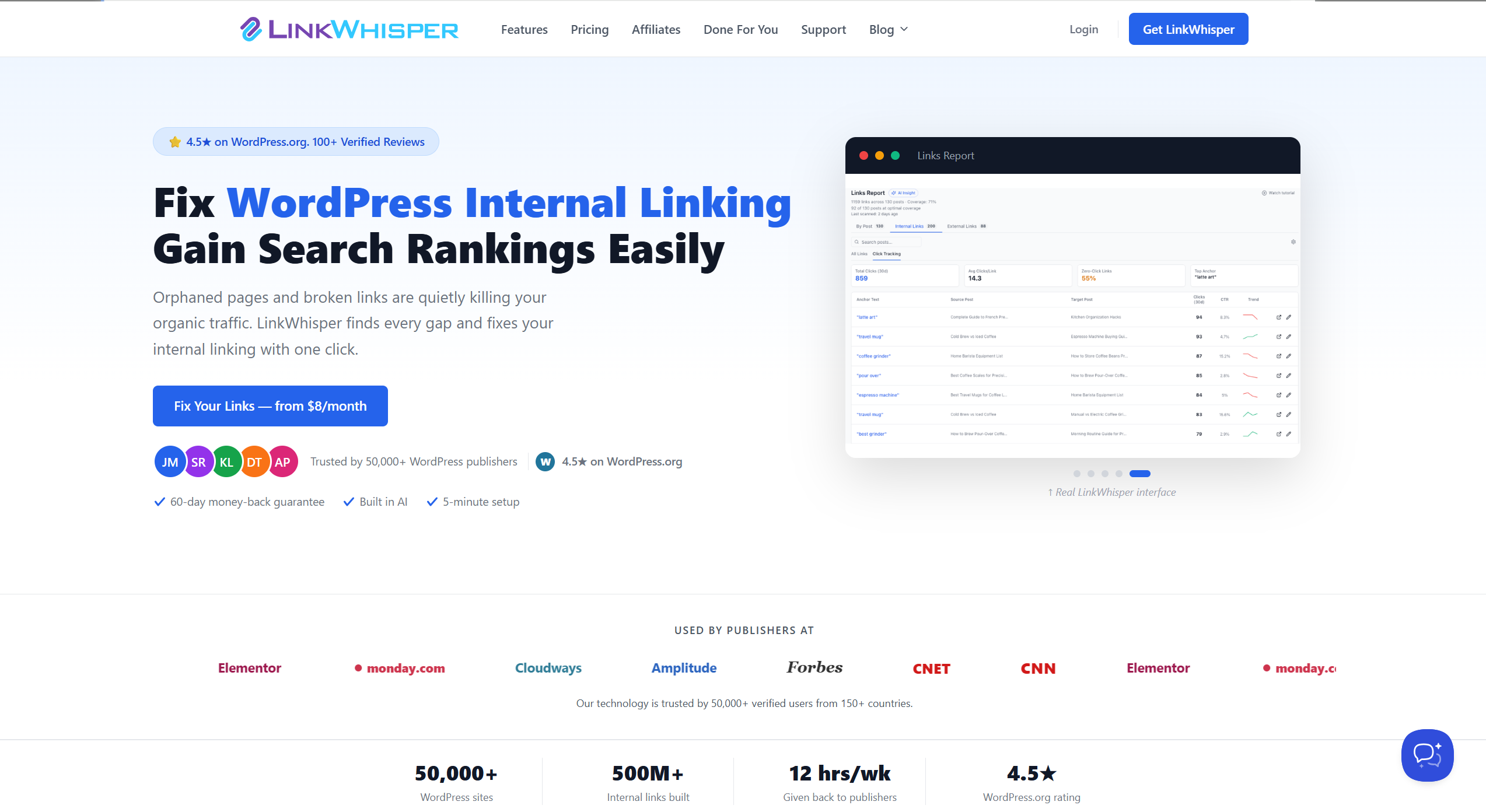
Probably the easiest way to improve internal linking without thinking too hard about it. It suggests links, finds orphan pages, and helps shape your site structure as you publish.
Pricing: Single site license starts at $77/year.
AIOSEO: for large sites (solid alternative)
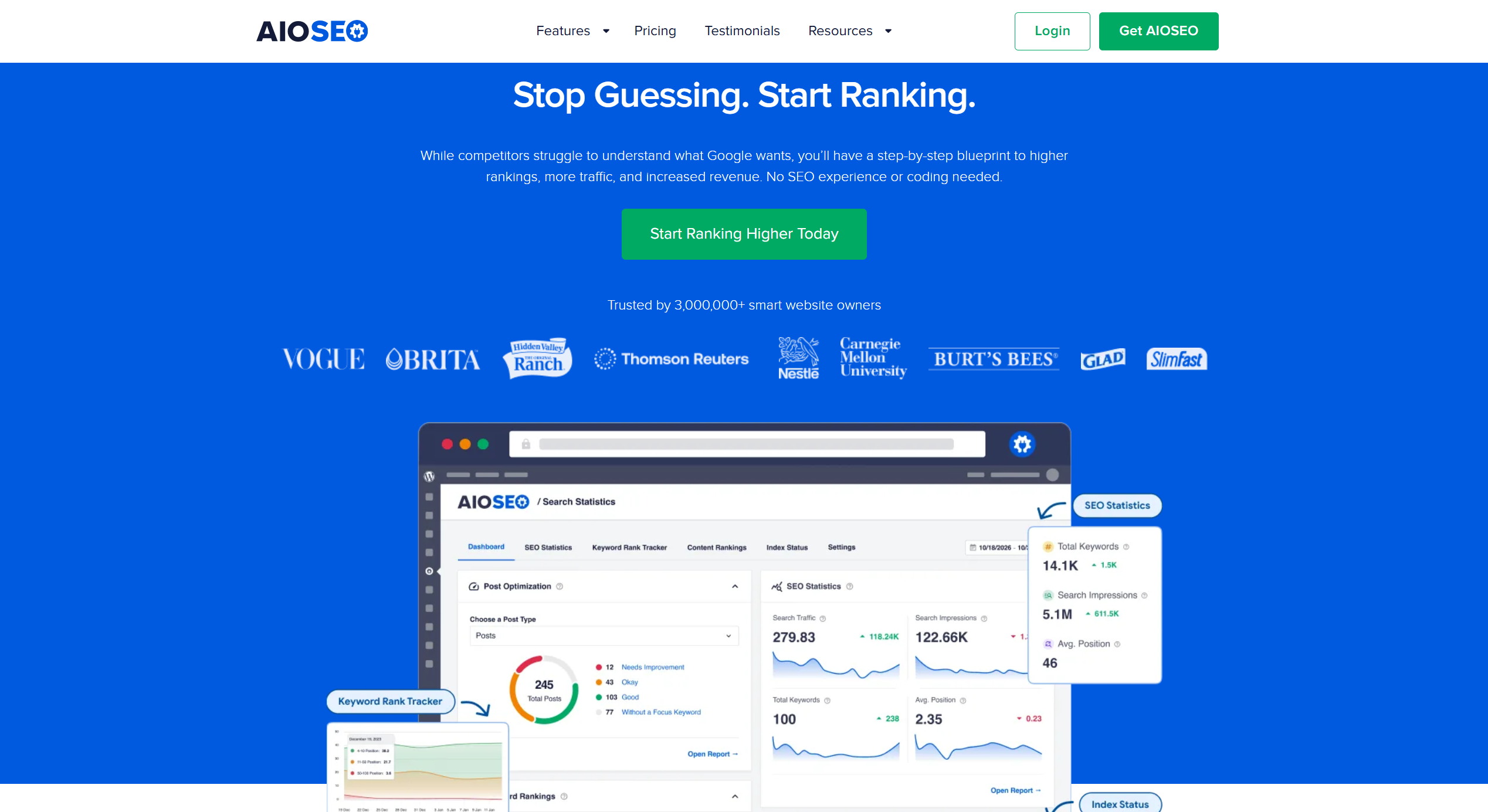
Useful for managing large, complex websites, complements Link Whisper by allowing bulk editing and internal linking reports.
Pricing: Paid plans start at $49.60/year.
Internal Link Juicer: fully automated (solid alternative)
Set rules once and let it handle linking in the background.
Pricing: Free version available / Pro version starts at $699/year (lifetime options available).
Step 5: AI Citation Tracking Tools (The Category Most Guides Miss)
This is the layer traditional backlink tools were never built to measure, and it's become one of the most important gaps in a 2026 link building stack.
Every tool covered in Steps 1 through 4 answers questions about links: who links to you, how strong is the link, is it still active. None of them answer a different, increasingly important question: is your content actually being cited when someone asks ChatGPT, Perplexity, or Google AI Overviews a relevant question?
A backlink and an AI citation are not the same signal. A page can have zero new backlinks this month and still gain AI citations, or vice versa, since AI systems weigh brand mentions, content structure, and freshness alongside (and sometimes instead of) traditional link signals.
Built Into Tools You Already Own
Ahrefs Brand Radar monitors brand mentions inside AI chatbots and flags AI-content gaps, built directly into a tool most link builders already use for backlink research.
Semrush AI Visibility Toolkit (part of Semrush's broader AI PR offering) tracks AI-driven visibility alongside traditional search rankings, useful if Semrush is already part of your stack.
Both are worth checking before adding a new subscription, since you may already have access to a basic version of this tracking.
Dedicated AI Citation Platforms
For teams that want deeper, standalone tracking, several dedicated platforms have emerged specifically for this:
- Profound — broad AI-search monitoring across multiple platforms
- LLMrefs — tracks citations across ChatGPT, Perplexity, Google AI Overviews, Gemini, and Claude, with a free starting tier and paid plans from $79/mo for 50 tracked keywords
- Peec AI
- Otterly
- Siftly
- Citation Hawk
- Conductor
- SE Ranking's AI Overview Tracker
Platform coverage varies significantly between these tools, some track more AI engines than others, so checking which platforms a tool actually monitors before buying is worth the extra five minutes.
How to Track AI Citations Without Buying Software First
Best Free Link Building Tools in 2026
You don't need a massive software budget to start acquiring backlinks. These free tools handle essential tasks from contact finding to backlink monitoring: