Link building isn't dead in 2026, but a specific, diagnosable version of it dies every year inside teams that never notice the difference. This article shows you how to tell which one you're running, with the six signs, real quick checks, and what still earns links.
The Data Says Link Building Isn't Dead
Link building is not dead. The data on this is not close.
Ahrefs studied nearly one billion pages and found a clear positive correlation between the number of referring domains pointing to a page and the organic traffic it receives. Pages with more unique linking domains get more organic search traffic, consistently, across the dataset.
Backlinks also remain central to how AI systems evaluate trust, not just how Google ranks pages. Google VP of Search Pandu Nayak testified under oath during the 2023 DOJ antitrust trial that NavBoost, a click-based re-ranking system, is "one of Google's strongest ranking signals." The May 2024 Content API Warehouse leak confirmed the specific data fields involved.
The industry's own spending data backs this up. BuzzStream's Link Building Trends report found that 56% of SEOs planned to increase their link building budgets. Teams don't increase spending on a channel they believe is dead.
We see the same pattern up close, not just in industry-wide data. A brand-new domain reached DR 19 in two months running exactly the kind of link building this article argues still works: relevant, earned, and tied to an asset worth citing. That's not an outlier result from a dead channel. It's what link building looks like when the underlying approach isn't one of the six patterns below.
"Every founder asks me the same question: does link building still work? Wrong question. Ask me if theirs still works, and about half the time the honest answer is no. Not because Google killed the channel. They killed it themselves, twelve months of buying links from a marketplace and calling it a strategy. The data on link building is fine. The data on what most people are actually doing isn't."
Davit Nazaretyan, Founder of LinkyJuice
None of this means every link helps. It means the underlying mechanism, external sites vouching for a page, still works.
So Why Does It Feel Dead?
Three real changes happened between 2023 and 2026, and all three genuinely reduced the value of low-effort link building. None of them killed link building itself.
Google's spam detection got much better.
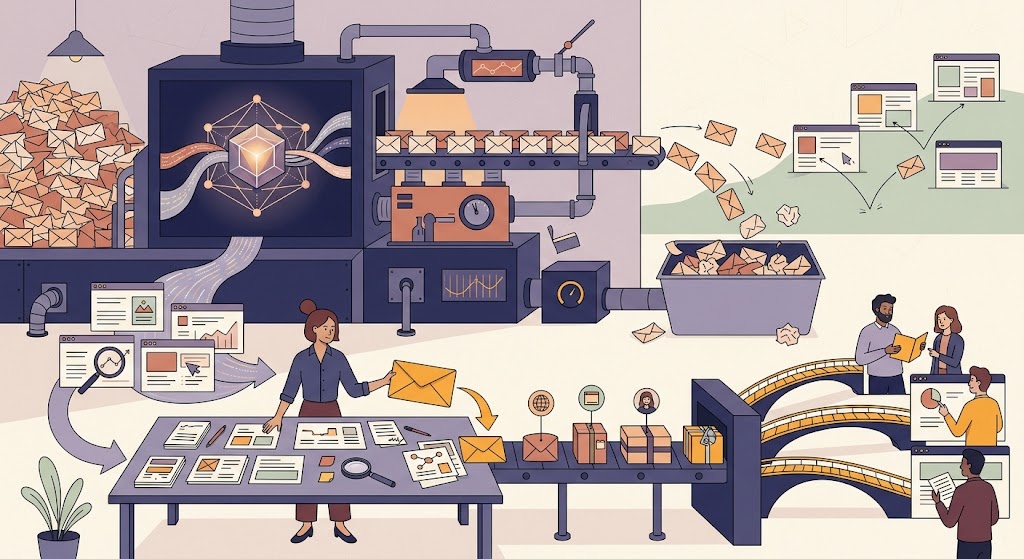
The Link Spam Updates, powered by Google's SpamBrain system, started identifying links from marketplaces, link exchanges, and link farms automatically. These links don't get penalized. They get neutralized, meaning they still exist on the page but pass no ranking value. A site can accumulate hundreds of these links and see zero movement, which looks identical to "link building doesn't work" from the outside.
The Helpful Content Update targeted the supply side.
Between 2023 and 2024, sites that mass-produced low-value, AI-generated content, often specifically to sell guest post placements, lost significant rankings and traffic. This shrank the pool of easy, cheap link opportunities, which made link building feel harder even for teams doing it correctly.
Google's public messaging on links has been genuinely inconsistent.
This fuels a lot of the "links are dead" narrative. John Mueller has said in different contexts that "the total number of links is completely irrelevant" to rankings, while also confirming Google continues to use links as part of its ranking algorithms. Both statements are true. They describe different things: raw link count doesn't matter, but link quality and context still do.
The pattern across all three: link building didn't stop working. The version of it that worked in 2018 stopped working. Most teams never separated those two facts.
Six Signs Your Link Building Is Actually Dead
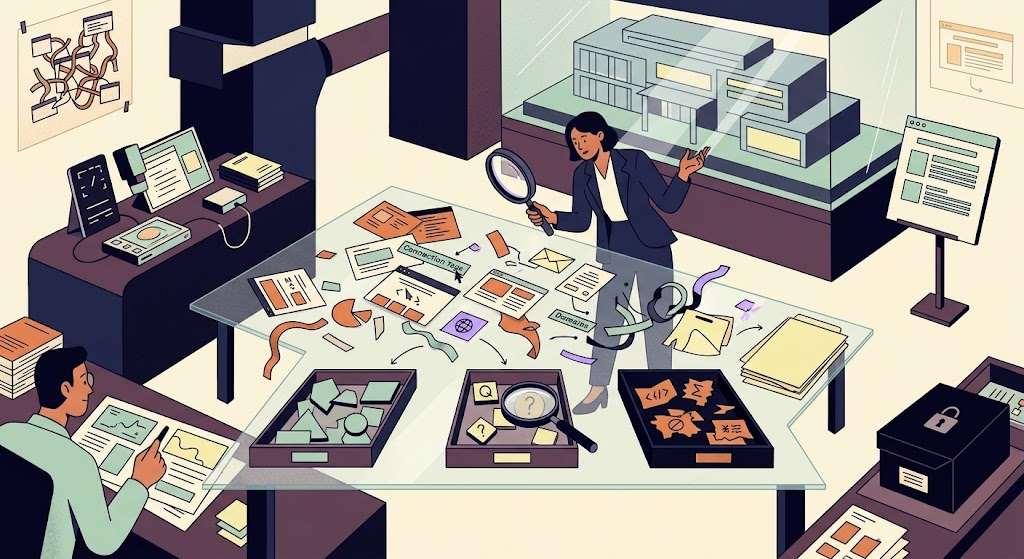
If link building overall isn't dead, but your results have flatlined, one or more of these is usually why. Each one includes a quick way to check it yourself, not just a description of the symptom.
1. Your links have no topical relevance to the pages they point to.
A link from an unrelated site, however high its authority, gives Google less confidence than a modest link from a directly relevant source. If your backlink profile is a mix of unrelated niches, this is often the single biggest problem.
Quick check: pull your top 20 referring domains in Ahrefs or Semrush and ask whether each site would plausibly cover your topic without being paid for the placement.
2. Your anchor text is over-optimized.
Repeatedly using the same exact-match keyword phrase as anchor text is one of the clearest patterns Google's spam systems flag. Natural link profiles have varied, often branded or generic anchor text.
Quick check: export your anchor text report. If more than 10-15% of anchors are the exact same keyword phrase, that's a flag worth investigating.
3. Your links came from marketplaces, PBNs, or link exchanges.
These get neutralized by SpamBrain, not penalized. The link exists. It passes nothing. If a large share of a backlink profile comes from paid placements with no editorial judgment behind them, that's a profile earning zero return on real spend.
Quick check: search a sample of your referring domains for "write for us," "guest post guidelines," or "advertise with us." A high hit rate means you're buying placements from sites built to sell them, not sites that chose to cite you.
4. You're measuring link count instead of link outcomes.
A vanity metric like "we built 40 links this month" says nothing about whether any of them moved a ranking, drove a citation, or reached a page Google actually trusts. For a framework on evaluating individual link value, see how to know if a link is actually worth getting.
Quick check: for the last 10 links built, can you name what happened after each one, a ranking movement, a referral click, an AI citation, anything measurable? If the honest answer is "I don't know," that's the tell.
5. Your outreach is templated at scale with no personalization of the actual opportunity.
Generic, high-volume pitches to unfiltered lists produce low reply rates and, even when links land, low relevance. Publishers can tell the difference between a genuine fit and a mass campaign.
Quick check: read the last five pitches your team sent. If the same paragraph could be sent to any site in the niche without editing a single sentence, it isn't personalized, it's mail merge.
6. Your content isn't earning anything on its own.
If every link in a profile had to be actively placed, none earned, that's a sign the underlying content isn't distinctive enough to attract links organically. For more on building content that earns links without heavy outreach, see how to build a strong backlink profile.
Quick check: look for unlinked brand mentions or organic backlinks with zero outreach behind them over the last year. Zero of those is a signal the content itself isn't giving anyone a reason to cite it unprompted.
If a majority of these apply, the diagnosis isn't "link building is dead." It's "the specific approach being used is dead," which is a fixable, different problem.
What Still Works in 2026
Topical relevance beats volume.
One link from a source directly relevant to the topic outperforms many links from unrelated, high-authority sites. Google's systems increasingly evaluate the semantic relationship between the linking page and the linked page, not just the linking site's overall authority.
Digital PR and original, data-driven content earn links passively.
Original research, surveys, and timely commentary on trending topics attract citations from publications that would never respond to a cold outreach pitch. This is link building that doesn't require asking anyone for anything.
Editorial mentions outperform placed links.
Being cited as a source inside genuinely useful content carries more trust signal than a link inserted specifically for SEO purposes, because an editor made an independent decision that the reference was worth including.
Broken link building and resource page outreach still convert
This works because they offer real value to the recipient (fixing something broken, or filling a genuine gap) rather than asking for a favor.
Link building works best as part of a brand strategy, not a standalone tactic.
Links earned because a brand is genuinely known for something in its space compound differently than links acquired one campaign at a time. The DR 19 result mentioned earlier came from exactly this: content built to be cited, not links built to be counted.
What's Actually Dead
Frequently Asked Questions
Is link building still relevant in 2026?
Yes. Referring domains still correlate with organic traffic, and backlinks remain part of how Google and AI systems evaluate trust. What changed is which links work, not whether links work.
Does link building still work for SEO?
Yes, when links come from topically relevant, credible sources through genuine outreach or earned coverage. It does not work through link buying, PBNs, or high-volume automated outreach, those get algorithmically neutralized.
How do I know if my link building strategy is actually dead?
Check it against the six signs above: irrelevant links, over-optimized anchors, marketplace or PBN sourcing, tracking count instead of outcomes, templated outreach at scale, and content that never earns links on its own. If most apply, the approach needs to change, not the channel.
What does it mean when Google "neutralizes" a link?
It means the link still physically exists on the page, but Google's systems assign it zero ranking value and ignore it entirely. This is different from a manual penalty, which actively demotes a page. Neutralization is silent, there's no warning or notification, which is why a site can accumulate hundreds of worthless links and only notice the problem when rankings stall with no obvious cause.
How do I know if my backlinks are being ignored instead of helping?
Compare link volume to actual outcomes over the same period: rankings, referral traffic, or AI citations. If link count is climbing but none of those three are moving, that's the signature of a profile made up mostly of neutralized links. Checking where those links actually came from, marketplaces and PBNs are the most common source, usually confirms it.
What is the future of link building?
Trust, authority, and high-value content earning links passively, rather than links being actively placed at volume. Link building is becoming more selective, not smaller.
Are backlinks still a ranking factor?
Yes. Google cares more about quality, context, and topical relevance than raw quantity, but referring domains still correlate with rankings and traffic.
Link Building Isn't Dead. Undiagnosed Link Building Is.
Every year, someone declares link building dead, and every year, sites with genuinely strong, relevant backlink profiles keep outranking the ones without them.
The actual failure mode isn't the channel. It's running the wrong version of it without ever checking which version that is. Outdated, manipulative tactics, link farms, mass-produced content, spammy guest posts, waste time and money regardless of how much of it gets spent. Authentic, relevant, brand-led link building compounds.
The question isn't whether link building is over. It's whether the specific strategy running right now is one of the six dead patterns above. For a deeper look at how link building fits into a broader SEO strategy, see the new rules of link building.
If you want a real diagnosis instead of a guess, our SaaS link building services can show you specifically which of the six patterns is actually costing results. Book a call with us.